The Productivity Shift That Helps You Get More Done
Feeling behind in your business can make every task feel heavier. When your day is already full of work, family, home, and all the small things no one else sees, “make more time” is not helpful.
What helps is a different way to look at the problem. You don’t need a wide-open day to make progress. You need intentional space inside the life you already have.
Why feeling like you have no time keeps you stuck
If you’ve been telling yourself you don’t have enough time, you’re not alone. That thought shows up fast, especially when you’re trying to build a business while also carrying the weight of everyday life.
You’re probably not sitting around with hours to spare. Instead, you’re managing a lot. Most days, you’re carrying more than most people see.
That often includes:
- your household
- your family
- your work
- your business
- your own needs, when you can make room for them
So when someone says, “Just make time,” it can feel irritating. You can’t pull extra hours out of nowhere. Your day already has shape, demands, and limits.
Let’s be real. The problem is often not time itself. The problem is space. That shift matters because it gives you something real to work with.
You and someone else may both have 24 hours in a day, but those hours do not carry the same load. Your schedule may be packed with school pickup, meals, caregiving, client work, errands, and mental labor before you even touch your business. So measuring yourself against a generic “we all have the same 24 hours” message usually leads to guilt, not progress.
A better question is this: where can you make more space?
That question is softer, but it is also more useful. It asks you to look at your actual life, not an ideal one. It helps you work with what is already there instead of waiting for a day that may never open up.
If this idea hits home, you may also like these time management strategies for female entrepreneurs that are built for real life, not perfect schedules.
You do not need a different life to move your business forward. You need a better way to use the space that already exists in your day.
Stop waiting for big blocks of time
One of the biggest reasons you feel stuck is because you may be waiting for the “right” amount of time to begin. You might tell yourself you’ll work on content when you have two free hours. Other times, you plan to clean up your systems once you get a full afternoon. Following up with leads often gets pushed to when life finally settles down.
That sounds reasonable, but it often keeps you frozen.
For most women building a business, progress does not happen in large, quiet stretches. Progress often happens in the middle of life. It shows up between responsibilities. Many times, it comes in short, focused windows that are easy to overlook because they don’t look impressive.
That is why this productivity shift works so well. You stop searching for giant blocks of time and start using 10, 15, or 20 minutes on purpose.
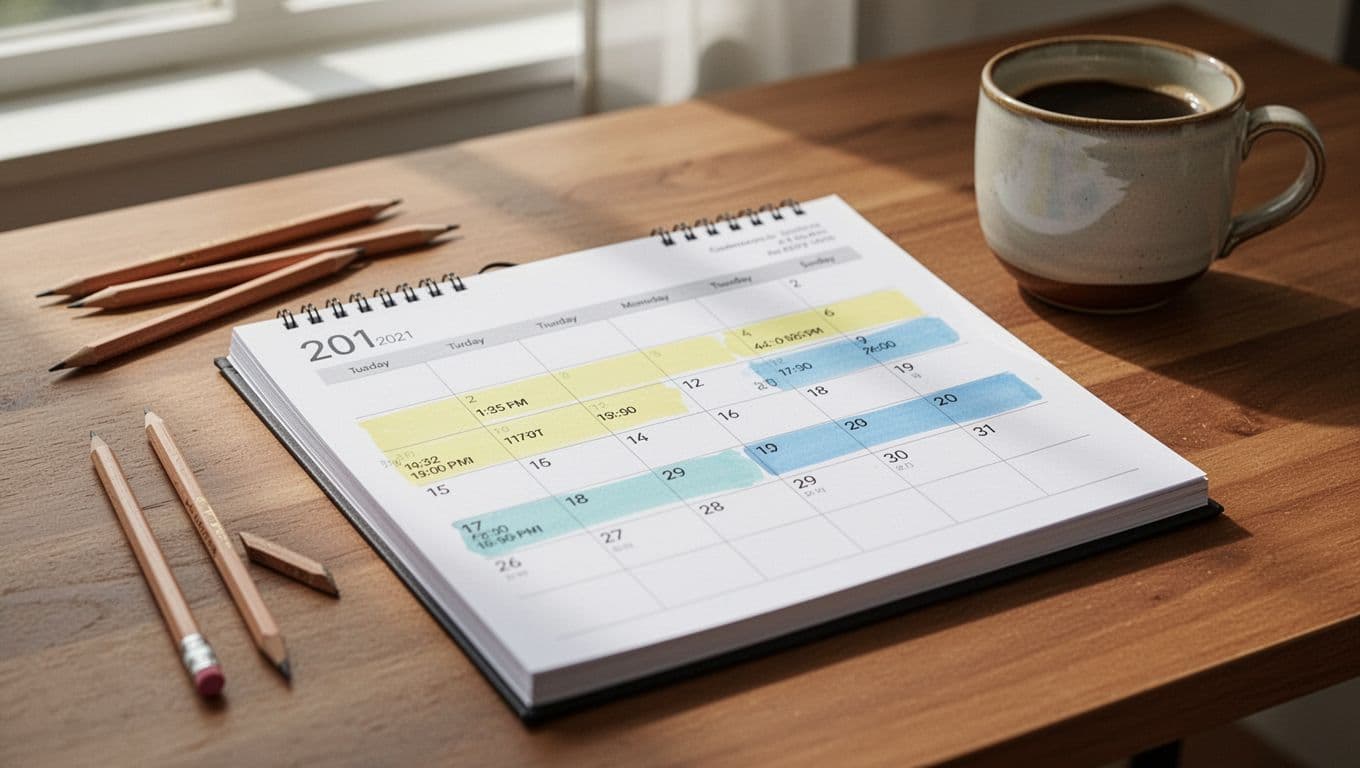
Those small pockets count. In fact, they often count more than the big block you keep hoping for, because they are easier to find and easier to repeat. And when something is repeatable, it starts building momentum.
This is especially true if you’re running your business mostly on your own or with limited help. You may not have the support needed to disappear for half a day and focus without interruption. That does not mean you cannot grow. It means your growth has to fit the season you’re in.
Try this shift in language: instead of saying, “I need more time,” say, “I need to use the time I already have differently.”
That sentence puts your power back in your hands. It also lowers the pressure. You are no longer waiting for perfect conditions. You are looking for the next usable moment.
Use time anchors to create more space
A practical way to do this is with what Michelle calls anchors. A time anchor is a pocket of time connected to something that already happens in your day. You are not building a new routine from scratch. You are attaching a focused task to an existing rhythm.
That makes the habit easier to keep, because the cue is already there.

Here are a few examples that came up in the message:
- You might use a few minutes early in the morning, before everyone else is up. That works for some people, although it does not work for everyone.
- You might use part of your lunch break. You still need lunch, of course, but even a short focused block can help.
- You might use the time while your dog is outside after a call. That can be a simple moment to clear emails or flag what needs attention later.
- You might use the wait during sports practice pickup. If you’re sitting in the car for 30 minutes, that can be a great time to record a quick social post or short video.
Notice what all of these have in common. They are not glamorous. They are normal. That is the point.
You do not need a perfect office setup, ideal lighting, or uninterrupted silence to move your business forward. Your audience already knows you’re a real person with a full life, so a quick video from your car may be more than enough. Sorting your inbox while the dog gets fresh air still counts as real progress. Drafting a post during a quiet lunch matters too.
Anchors work because they reduce decision fatigue. You are no longer asking yourself when you’ll finally find time. You already know where the opening is most likely to appear.
Consistency matters more than how long you work
Once you start using these small anchored pockets, the next shift is to stop measuring progress by duration alone. A short focused session done often will carry your business farther than a long session you rarely get to.
This is where many women underestimate what they are doing. You may dismiss 10 minutes because it feels too small to matter. Yet 10 minutes used well, day after day, starts to stack. It builds evidence that you are showing up. It helps you trust yourself again. And that trust is often what gets you moving after a stuck season.
If you do not choose what gets your time and focus, everything else will claim it.
That is why reacting your way through the day usually leaves you exhausted. Email pulls at you. Notifications interrupt you. Other people’s needs move to the front. By the end of the day, you may have worked hard and still feel like your business got whatever scraps were left.
Choose one task that actually moves your business forward
A better rhythm starts the day before. Before you end your workday, decide what one thing deserves your focus tomorrow.
Not your whole to-do list. Not every half-finished idea. One meaningful action.
You probably already keep your tasks somewhere, whether that is in a notebook, an app, or your phone. Instead of staring at the whole list and feeling buried, look for the one task that will move your business forward most.
That could be:
- posting content that keeps you visible
- following up with someone who showed interest
- sharing your offer
- showing up in a community you are building
- finishing a task that unlocks the next step in your work
If you need help turning follow-up into a consistent habit, this 3-step follow-up plan for leads fits well with the one-task-at-a-time approach.
Stop trying to do everything at once
The goal is not to do everything. The goal is to protect the task that matters most.
Momentum grows when you stop trying to tackle the whole list and start finishing the next right thing.
A simple 10-minute action plan you can use today
This approach works best when you make it concrete. Keep it simple enough that you can do it today, not someday.
Start with one pocket of time. Choose 10, 15, or 20 minutes. Don’t overthink it. You are looking for a realistic opening, not an imaginary one.
Then choose one business action for that time. Pick something that supports your business directly, not someone else’s priorities. You want a task that creates movement, even if the movement feels small.
Once you’ve chosen the time and task, decide when you will do it. Then set a timer and give that one action your full attention.
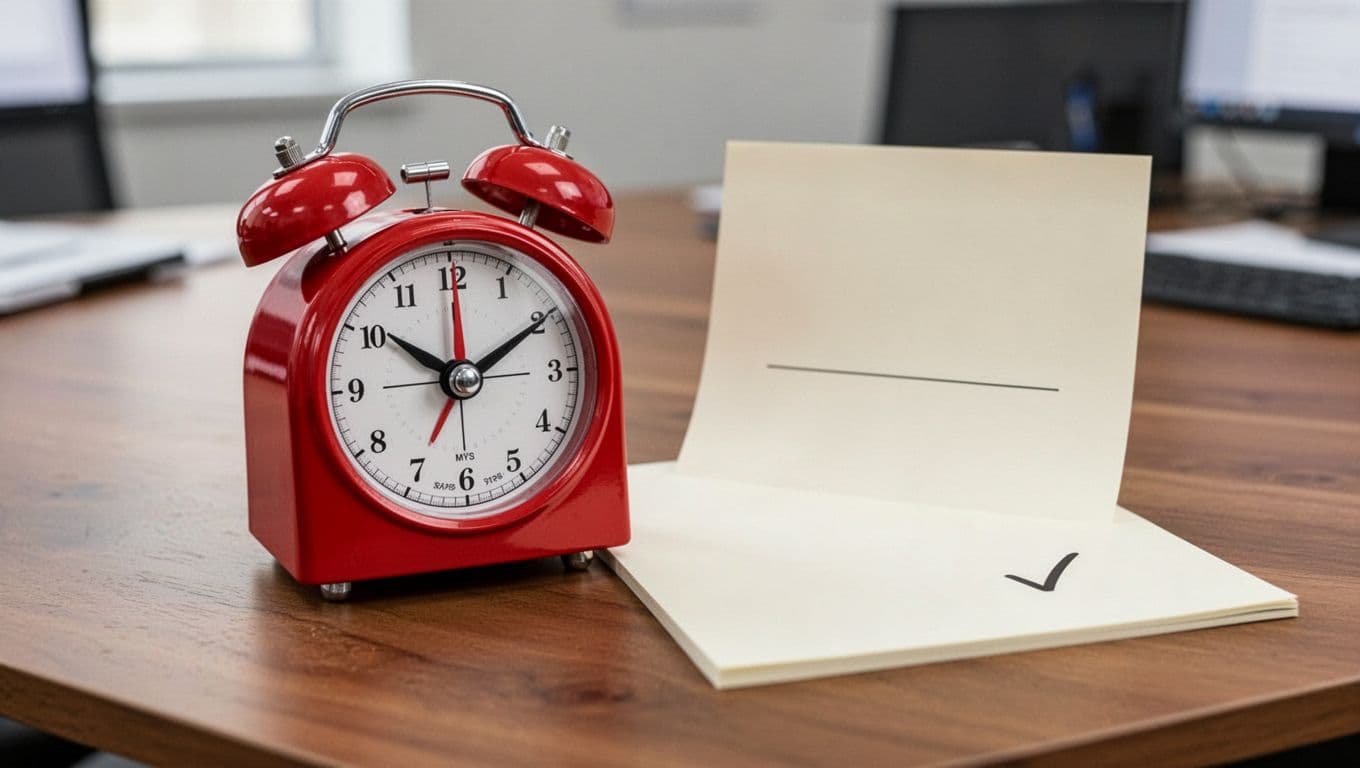
A simple rhythm looks like this:
- Find a pocket of time in your day.
- Choose one action that moves your business forward.
- Set a timer.
- Work without distractions until the timer ends.
- Stop when the timer goes off, even if the task is not fully done.
That last step matters. Stopping helps you trust the structure. You can always come back to the task later with another five or 10 minutes. What matters first is that you gave it focused time, instead of letting it sit on your list and weigh on you.
If this idea clicks for you, you may also want to try the Hour of Power productivity technique when you have a little more room in your schedule. It takes the same focus-first mindset and stretches it into a clear, manageable work block.
Protect your focus so your business keeps moving
Time alone is not enough. You also need focus.
A 15-minute pocket can disappear fast if you spend half of it bouncing between tabs, checking texts, or deciding what to work on. That is why intention matters so much here. Before your pocket of time begins, know what the task is. When it starts, let that be the only thing on your plate.
This is especially important if you are building visibility in your business. Marketing tasks are easy to push aside because they often do not feel urgent in the moment. Yet they are often the very things that create future growth. Posting content, following up, talking about your offer, and showing up for your community may seem small on a given day, but they compound over time.
If visibility and selling are areas you keep postponing, a sustainable sales rhythm for entrepreneurs can help you stay consistent without adding more pressure.
You do not need a full free day to begin. You need a small, protected start. When you use those minutes with purpose, they build confidence. They also remind you that your business is still moving, even in a full season.
That matters more than you may realize, because progress often feels invisible before it feels obvious.
Find your time and take one step forward
When you feel like there is no room left in your day, it is easy to assume you are stuck. You are not. You may need a gentler, smarter way to work, but progress is still available to you.
Keep coming back to this: your job is not to create more hours. Your job is to notice the minutes you do have, protect your focus inside them, and choose work that counts.
That is how momentum starts again. Quietly, steadily, and with much less stress than you might expect.
If you want help deciding what deserves your limited time, start with Your 3-Minute Business Clarity Check. It can help you choose the next right action when everything feels equally urgent.
And as you move through today, pay attention to one thing: what small pocket of time can you start using on purpose?
Please pin one of these images to your favorite Pinterest board.
This simple share makes a big difference to my blog. Thank you!